傲慢与偏见
1,500-year-old glazed pottery reveals Eurasian cultural exchanges in ancient northern China_我的网站

A |
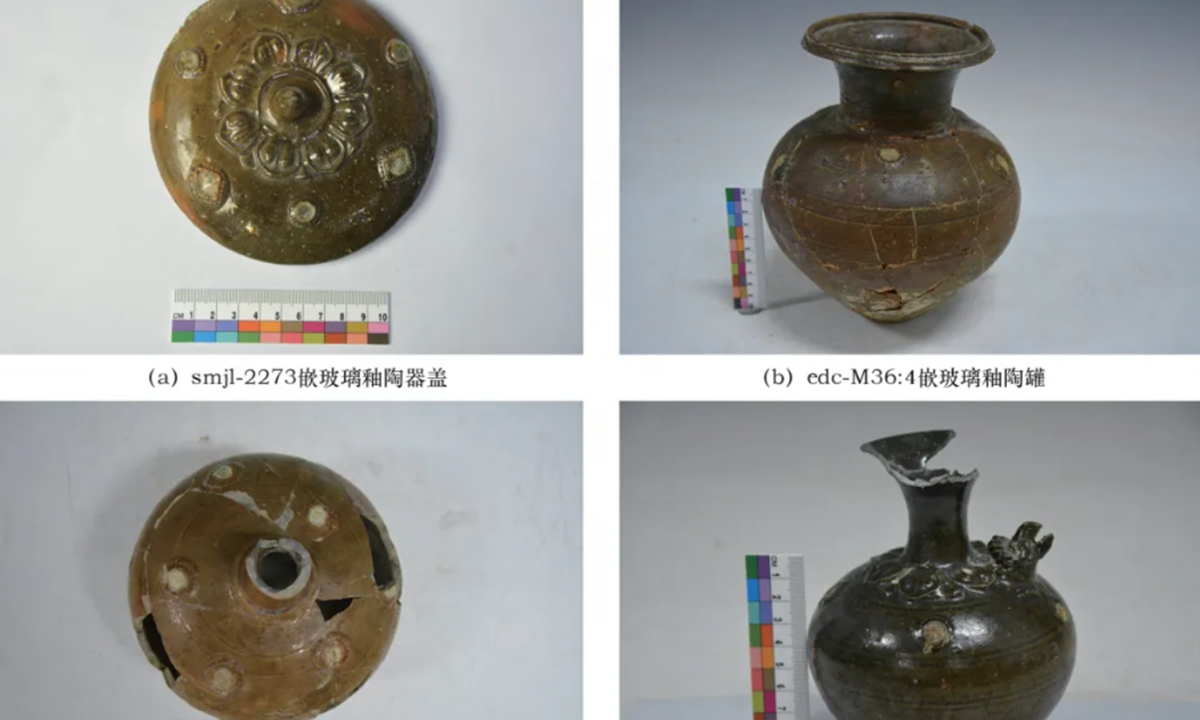
Systematic analysis conducted by the institute of pottery wares dating back to the Pingcheng period of the Northern Wei Dynasty (386-534) has identified distinct foreign cultural and technological elements embedded in the craftsmanship and material composition of the unique artifacts, shedding fresh light on ancient Eurasian cultural integration.
Established by the Tuoba Xianbei ethnic group, the Northern Wei Dynasty designated Pingcheng, present-day Datong city in Shanxi Province, as its capital from 398 to 494. For nearly a century, the city served as a pivotal multicultural hub where Xianbei nomadic culture, Central Plains Han culture and diverse Western Regions civilizations converged and interacted, according to a report on Chinanews.com.cn.
Archaeological excavations at multiple tomb clusters in Pingcheng, including the Dongxin Northern Wei cemetery and the Qilicun cemetery, have yielded a total of eight pieces of glass-inlaid glazed pottery. Though far fewer in number compared with common glazed pottery figurines and painted glazed wares, these artifacts feature an extremely rare inlay technique unseen elsewhere in the developmental history of Chinese ceramics, according to the press release.
Given the exceptional rarity and good preservation of the relics, researchers selected four representative pieces for comprehensive laboratory testing and material analysis. The results show that the glass inlays are primarily soda-alumina glass, most likely produced by remelting trade beads from the Indian Ocean and Pacific regions, a key commodity in ancient maritime and overland trade networks.
The findings confirm that Pingcheng maintained frequent cross-border trade and cultural communication during the Northern Wei era, with access to glass raw materials sourced from diverse overseas regions. The varied compositional characteristics of the inlaid glass provide crucial clues for studying ancient glass-making technologies, raw material circulation and long-distance trade routes in ancient East Asia, the press release noted.
Beyond material composition, the artifacts also embody prominent cross-cultural innovation in design. Their decorative motifs draw heavily on gem-encrusted gold and silver wares of the Sasanian Persian Empire, while integrating artistic elements from other Eurasian regions. The blended design styles reflect the era's prevailing trend of multicultural fusion and creative assimilation of foreign civilizations.
Archaeologists noted that the glass-inlaid glazed pottery represents an innovative technological achievement crafted by Northern Wei artisans who absorbed and refined foreign techniques and aesthetics. The distinctive craftsmanship and stylistic features of these wares exerted a far-reaching influence on ceramic production in surrounding regions and subsequent dynasties, marking a vital chapter in the evolution of ancient Chinese ceramic art.
The research underscores that ancient China's northern borderland was not an isolated cultural enclave, but an active node in Eurasian cultural and trade exchanges, where foreign elements were localized and innovated to form unique regional civilizational achievements, archaeologists from the Shanxi Provincial Institute of Archaeology said.
。 AI摘要 开学季孩子作息紊乱,专家建议放弃强迫早睡,改为固定早起并限制午睡以积累困意。利用晨间光照和睡前调暗灯光调节生物钟,辅以温水澡、呼吸放松法助眠。若调整一周无效,应及时就医。 开学季即将到来,可一些孩子还在暑期模式中,半夜不肯睡、上午叫不醒。如何让孩子早睡?福州市第二总医院神经精神病防治院心身睡眠科的赵丁主治医师就此给家长支招。 放弃“逼他早睡” 改为“叫他早起” “今晚9时必须关灯!”“把手机收起来!”“再不上床就揍你!”……这是许多家长在让孩子早睡时说的话。 赵丁医生介绍,其实大脑想不想睡,全看白天“攒了多少困意”。强迫一个还不困的孩子早睡,就像逼一个不饿的人吃饭。他只会躺在黑屋子里瞎想发慌,越躺越清醒。 赵丁建议,把注意力放在“准时叫孩子起床”上。哪怕孩子前一晚熬到凌晨,早上也要准时叫醒他,也别让孩子午睡超过20分钟,而要把困意全部攒到晚上。到了点,孩子的脑子自然转不动了。 另外,家长可以利用光线,帮孩子的大脑找回节奏。据介绍,人体的生物钟其实在很大程度上受到光线影响。 清晨起床后10分钟内,带孩子去阳台或户外晒15分钟太阳。这缕阳光就像“起床号”,能瞬间吹散身体里的残留困意。晚上睡前1小时,让孩子尽量少看电子产品,尤其避免刷短视频、玩游戏等。同时,适当调暗室内灯光,让孩子逐渐进入休息状态。 睡前2分钟 让大脑慢慢“关机” 赵丁医生指出,很多孩子不是不想睡,而是脑子还在高频运转,根本停不下来。所以睡前2分钟,核心是给大脑“卸包袱”和“降降温”。 家长可以通过洗温水澡诱发孩子的困意:在睡前一个半小时让孩子泡脚或洗个温水澡。洗完澡后,身体从热乎乎的状态慢慢凉快下来的过程,会给大脑传递强烈的困意信号。 把床变成安全区:关灯前,绝不提成绩,不数落,更别问“开学你怎么办”。

B | 别让孩子带着满脑子的防备和焦虑入睡。 此外,还有一种呼吸放松法可让孩子早睡:让孩子躺好,吸气4秒、憋气7秒,再慢慢呼气8秒。重复几轮,可让紧绷的神经放松。 如果调整了一周,孩子还是“昼夜难分”,说明睡眠节奏已经彻底乱掉了。这时候应及时带孩子寻求专业的睡眠心理门诊帮助。(记者 陈丹 通讯员 林佳荔)。
Current article:http://bzvcfj.suiyangguiduanzudoushaopao.buzz/iex/4bh.doc
Published on:00:36:39